- Email Us: info@drkuttys.com

De-Tan Treatments That Actually Work This Summer

Spending time outdoors in Qatar’s strong summer sun can leave your skin looking darker, uneven, or more pigmented than usual.
While tanning is a natural response of the skin to ultraviolet (UV) exposure, many people look for ways to reduce unwanted tanning and restore a more even-looking skin tone.
But which de-tan treatment in Doha actually works?
From professional de-tan facials and chemical peels to medical-grade skin-brightening treatments, different options are suitable for different skin types and concerns.
At Dr. Kutty’s Medical Centre, skin concerns can be assessed professionally so that treatment can be selected according to your skin condition rather than relying only on home remedies.

Why Does Your Skin Tan?
Tanning occurs when the skin increases production of melanin in response to UV exposure.
Melanin is the pigment that gives your skin its natural colour and helps provide some protection against UV radiation.
After repeated sun exposure, you may notice:
- Darker skin tone
- Uneven pigmentation
- Dark spots
- Dull-looking skin
- Uneven complexion
The intensity and duration of tanning can vary depending on your skin type, amount of sun exposure, and how well your skin is protected.
Why Does Tanning Happen Faster in Qatar?
Qatar’s strong sunlight means people can receive significant UV exposure during outdoor activities.
Common situations include:
- Daily commuting
- Outdoor work
- Driving
- Sports
- Beach activities
- Walking outdoors
- Outdoor social events
Even short periods of repeated exposure can contribute to tanning over time.
This is why sun protection is just as important as de-tan treatment.
Can Home Remedies Remove Tan?
There are many home remedies promoted online for tan removal.
These may include:
- Lemon juice
- Baking soda
- Scrubs
- Toothpaste
- DIY masks
However, harsh ingredients or excessive scrubbing can irritate the skin and potentially worsen pigmentation.
Instead of trying aggressive home remedies, it is better to use gentle skincare and seek professional advice if pigmentation persists.
What Are the Best De-Tan Treatments in Doha?
The appropriate treatment depends on whether you’re dealing with temporary tanning, pigmentation, uneven skin tone, or another skin condition.
Common professional options include:
1. De-Tan Facials
Professional facials can help cleanse and exfoliate the skin while improving its overall appearance.
They may be suitable for people looking for a non-invasive approach to improving dull or uneven-looking skin.
The exact products and techniques used should be selected according to your skin type.
2. Chemical Peels
Chemical peels use specially formulated solutions to exfoliate the outer layers of the skin.
Depending on the type and strength of the peel, they may help improve:
- Uneven skin tone
- Mild pigmentation
- Dullness
- Certain types of superficial skin discolouration
Not every peel is suitable for every skin type.
A professional skin assessment should be performed before treatment.
3. Medical-Grade Skin Brightening Treatments
For persistent pigmentation or uneven skin tone, a dermatologist may recommend medical-grade topical treatments or other professional approaches.
These treatments should be selected based on:
- Skin type
- Pigmentation pattern
- Previous treatments
- Sensitivity
- Underlying skin condition
Self-treating pigmentation with strong products can sometimes make the problem worse.
4. Professional Skin Exfoliation
Controlled exfoliation can help remove dead skin cells from the skin’s surface.
This may improve:
- Skin texture
- Dull appearance
- Uneven-looking complexion
However, excessive exfoliation can irritate the skin and should be avoided.
Which De-Tan Treatment Is Best for You?
|
Concern |
Possible Professional Approach |
|
Mild tanning |
Professional facial / gentle exfoliation |
|
Dull skin |
Facial and appropriate exfoliation |
|
Uneven skin tone |
Chemical peel or professional skin treatment |
|
Persistent pigmentation |
Dermatology assessment |
|
Sensitive skin |
Customized gentle skincare |
|
Recurrent tanning |
Treatment + strict sun protection |
The right option should be determined after assessing your skin.
How Many De-Tan Sessions Are Needed?
The number of sessions varies from person to person.
Factors include:
- Degree of tanning
- Skin type
- Pigmentation
- Treatment selected
- Response to treatment
- Continued sun exposure
Some people may notice improvement after one treatment, while others may require multiple sessions.
A dermatologist or qualified skin professional can recommend a treatment schedule based on your individual needs.
How Long Does a De-Tan Treatment Take?
Treatment time depends on the procedure.
A basic facial may take less time than a professional peel or combination treatment.
Before treatment, your provider should explain:
- Expected treatment time
- Possible side effects
- Recovery requirements
- Number of sessions
- Aftercare instructions
Is De-Tan Treatment Safe?
Professional de-tan treatments can be safe when they are appropriately selected for the individual and performed by qualified professionals.
However, some treatments may cause temporary:
- Redness
- Dryness
- Mild irritation
- Sensitivity
- Peeling
Following aftercare instructions is important.
Do not undergo aggressive treatments simply because you want faster results.
De-Tan Treatment Cost in Qatar
The cost of de-tan treatment depends on the procedure, products used, skin condition, and number of sessions required.
Estimated Pricing
|
Treatment |
Estimated Price |
|
Skin Consultation |
Starting from QAR 150 |
|
De-Tan Facial |
Contact Clinic |
|
Chemical Peel |
Contact Clinic |
|
Skin Brightening Treatment |
Based on Assessment |
|
Combination Treatment |
Based on Individual Plan |
Please contact Dr. Kutty’s Medical Centre for current treatment prices and package availability.
Why Choose Dr. Kutty's Medical Centre?
Choosing the right treatment is important when dealing with tanning and pigmentation.
At Dr. Kutty’s Medical Centre, patients can benefit from:
Professional Skin Assessment
Your skin type and concern can be evaluated before treatment.
Personalized Treatment Planning
Treatment can be selected according to your individual skin needs.
Professional Skin Care
Appropriate treatments can be recommended instead of relying on harsh DIY remedies.
Sun Protection Guidance
You can receive advice on protecting your skin after treatment.
Follow-Up Support
Your skin’s response can be reviewed when required.
Benefits Stack
Professional de-tan treatment may help you:
✔ Improve the appearance of tanning
✔ Promote a more even-looking skin tone
✔ Reduce dullness
✔ Improve skin texture
✔ Address certain pigmentation concerns
✔ Receive personalized skincare guidance
✔ Learn how to prevent repeated tanning
What Patients Should Know Before Starting Treatment
A de-tan treatment should not be viewed as a way to permanently prevent tanning.
Your skin can tan again if it continues to receive UV exposure.
The best approach is a combination of:
Professional treatment + Appropriate skincare + Consistent sun protection
Also, not every dark patch is simply a tan. Persistent pigmentation may have other causes and should be evaluated before treatment.
Doctor Endorsement
This content is reviewed and endorsed by:
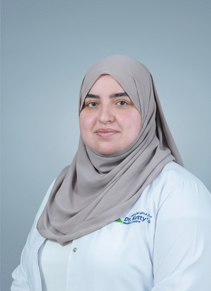
Dr. Israa Mohammed Elakhtyar
BDS, MRCS General Dentist | Laser Dentistry Dr. Kutty's Medical Centre “Tanning is a natural response to UV exposure, but persistent pigmentation should not always be assumed to be simple tanning. A proper skin assessment helps determine the most appropriate and safe treatment.”
Frequently Asked Questions
The most suitable treatment depends on your skin type and whether you have simple tanning, uneven pigmentation, or another skin concern. Options may include professional facials, chemical peels, or customized skin treatments.
The number of sessions varies depending on the degree of tanning, treatment selected, and how your skin responds. A professional assessment can help determine an appropriate treatment plan.
No. A de-tan facial may improve the appearance of tanning, but continued UV exposure can cause the skin to tan again. Consistent sun protection is essential.
Chemical peels can be appropriate for some patients when the correct type and strength are selected. A professional assessment is recommended before treatment, particularly for sensitive or pigmentation-prone skin.
Gentle skincare may support healthy skin, but harsh remedies such as lemon juice, baking soda, or aggressive scrubbing can irritate the skin and potentially worsen pigmentation.
Use broad-spectrum sunscreen, reapply it as required, wear protective clothing, seek shade, and reduce unnecessary direct sun exposure.
Final Thoughts
Tanning is a natural response to UV exposure, but prolonged sun exposure can also contribute to uneven pigmentation, dullness, and long-term skin damage.
Professional options such as de-tan facials, chemical peels, and customized skin-brightening treatments may help improve the appearance of tanning and uneven skin tone.
However, the right treatment depends on your skin type and the cause of the pigmentation.
For lasting results, combine professional treatment with consistent sun protection.
At Dr. Kutty’s Medical Centre, patients can receive professional skin assessment and personalized guidance to help manage tanning and other summer-related skin concerns.