- Email Us: info@drkuttys.com

Dry vs. Wet Cupping Therapy in Doha: Differences, Uses & Which One Doctors Recommend

Healthcare professional demonstrating dry cupping and wet cupping therapy methods in a clinical setting.
Interest in cupping therapy in Doha has grown rapidly in recent years.
Some patients seek it for:
- Muscle stiffness
- Neck and shoulder pain
- Stress relief
- Back discomfort
- Recovery support
But one common question patients ask before booking is:
“What’s the difference between dry cupping and wet cupping?”
Understanding the difference matters because both therapies use different techniques and may suit different patient needs.
Many patients prefer Dr. Kutty’s Medical Centre because treatments are performed in a clean clinical setting with professional supervision and proper hygiene standards.

What Is Cupping Therapy?
Cupping therapy involves placing specialized cups on the skin to create suction.
The suction may help:
- Improve circulation
- Reduce muscle tension
- Promote relaxation
- Support physical recovery
The therapy is commonly performed on:
- Back
- Neck
- Shoulders
- Legs
The two most common methods are:
- Dry cupping
- Wet cupping (Hijama)
What Is Dry Cupping?
In dry cupping Doha clinics provide, suction cups are applied directly to the skin without any skin incisions.
The cups create a vacuum effect that gently lifts the skin and underlying tissues.
Dry Cupping Is Commonly Used For:
- Muscle tightness
- Neck stiffness
- Shoulder pain
- Sports recovery
- Relaxation therapy
Many office workers and gym-goers choose dry cupping for muscle recovery and stress relief.
What Is Wet Cupping (Hijama)?
Wet cupping Doha treatments — also called Hijama therapy Doha clinics offer — involve a slightly different process.
After initial suction, small superficial skin pricks are made under sterile conditions before additional suction is applied.
Wet cupping is often chosen for:
- Traditional wellness practices
- Muscle discomfort
- General body wellness support
- Relaxation and detox-focused routines
Proper hygiene and professional supervision are extremely important for this procedure.
Main Differences Between Dry & Wet Cupping
|
Feature |
Dry Cupping |
Wet Cupping (Hijama) |
|
Skin Incisions |
No |
Yes (superficial) |
|
Focus |
Muscle relaxation |
Wellness & traditional therapy |
|
Recovery |
Minimal downtime |
Slightly longer aftercare |
|
Marks |
Temporary circular marks |
Temporary marks + mild skin sensitivity |
|
Common Use |
Muscle tension |
Traditional Hijama therapy |
Which One Do Doctors Usually Recommend?
The right therapy depends on:
- The patient’s condition
- Pain level
- Medical history
- Wellness goals
Dry Cupping Is Often Preferred For:
- Muscle stiffness
- Office-related tension
- Sports recovery
- First-time cupping patients
Wet Cupping May Be Chosen For:
- Traditional Hijama preference
- Wellness-focused therapy
- Patients specifically requesting wet cupping
A proper consultation helps determine which treatment is more suitable.
Is Cupping Therapy Painful?
Most patients describe both treatments as:
- Mild pressure
- Tight pulling sensation
- Temporary discomfort
Wet cupping may involve slightly more sensitivity because of superficial skin pricks.
What Happens During a Session?
A typical session usually includes:
- Consultation
- Skin assessment
- Area preparation
- Cup placement
- Suction therapy
- Aftercare guidance
Sessions usually last around 20–40 minutes.
Why Patients Choose This Clinic for Cupping Therapy
Patients visiting Dr. Kutty’s Medical Centre often appreciate:
- Clean clinical environment
- Proper hygiene standards
- Calm consultation process
- Structured aftercare guidance
- Professional supervision
Safety and hygiene are essential for all alternative therapies.
Doctor Endorsement
This content is medically reviewed and endorsed by:
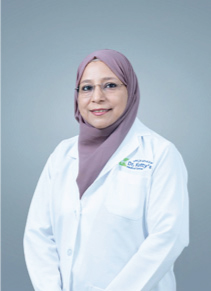
Ms. Shabnam Mohammed Suhail Ansari
Diploma in Food & Nutrition Nutritionist | Hijama Practitioner | Dietician “Patient safety, sterilization standards, and proper aftercare guidance are essential when choosing a trusted Hijama treatment clinic.”
What to Expect After Treatment
After therapy, patients are usually advised to:
- Drink plenty of water
- Avoid intense physical activity
- Rest for several hours
- Follow aftercare instructions carefully
Temporary circular marks are common and usually fade naturally.
Frequently Asked Questions
Dry cupping uses suction only, while wet cupping includes superficial skin pricks under sterile conditions.
Dry cupping is generally considered more comfortable for first-time patients.
Yes. Hijama is generally safe when performed by trained professionals using proper hygiene protocols.
Marks usually fade within a few days to two weeks.
Patients are usually advised to wait several hours before showering.
The number of sessions depends on the patient’s condition and treatment goals.
Patients with certain medical conditions should consult a doctor before treatment.
Final Thoughts
Choosing between dry and wet cupping therapy in Doha depends on your treatment goals, comfort level, and wellness needs.
Both therapies may help with:
- Muscle relaxation
- Recovery support
- Stress reduction
- General wellness
The most important step is choosing a clinic that prioritizes:
- Hygiene
- Professional supervision
- Proper aftercare
- Patient safety
Because alternative therapies should always be performed responsibly and safely.