- Email Us: info@drkuttys.com

Hijama Treatment in Doha: What It Is, How It Works & What Conditions It Helps With

Hijama practitioner performing cupping therapy at a treatment clinic near Doha.
Not every health concern begins with severe symptoms.
Sometimes it starts with:
- Persistent body fatigue
- Muscle tightness
- Stress-related tension
- Neck and shoulder discomfort
- General physical exhaustion
That’s one reason why interest in Hijama treatment Doha clinics provide continues to grow.
Hijama — also known as wet cupping therapy — has been practiced for generations and is commonly chosen for:
- Relaxation
- Muscle recovery
- Wellness support
- Traditional therapy practices
Many patients prefer visiting a trusted Hijama treatment clinic near Doha because safety, hygiene, and professional supervision are extremely important during the procedure.
At Dr. Kutty’s Medical Centre, Hijama therapy is performed in a proper clinical setting following medical hygiene protocols and structured aftercare practices.

What Is Hijama Treatment?
Hijama is a form of wet cupping therapy.
The treatment involves:
- Applying suction cups to the skin
- Making small superficial skin pricks under sterile conditions
- Reapplying suction briefly
The process is designed to support:
- Circulation
- Muscle relaxation
- General wellness
- Physical recovery support
Hijama is commonly performed on:
- Back
- Shoulders
- Neck
- Legs
How Does Hijama Therapy Work?
During the procedure, cups create gentle suction on the skin.
This suction may help:
- Stimulate circulation
- Relieve muscle tightness
- Promote relaxation
- Support recovery from physical stress
Because the procedure involves superficial skin pricks, hygiene and sterilization are extremely important.
That’s why patients should always choose a professional Hijama treatment clinic near Doha rather than informal or non-clinical setups.
What Conditions Do People Commonly Seek Hijama For?
Many patients choose cupping therapy Doha clinics provide for support with:
- Muscle stiffness
- Back discomfort
- Neck tension
- Sports-related recovery
- Stress-related physical tension
- General wellness support
Some patients also choose Hijama as part of traditional wellness practices.
Is Hijama Painful?
Most patients describe Hijama therapy as:
- Mild pressure
- Tight pulling sensation
- Slight temporary discomfort
The superficial skin pricks are generally very small and performed carefully under sterile conditions.
Temporary circular marks are common after treatment and usually fade naturally within days.
What Happens During a Hijama Session?
A typical session usually includes:
- Consultation and medical assessment
- Skin preparation
- Cup placement
- Controlled suction therapy
- Superficial skin pricks
- Aftercare guidance
Sessions usually take around 30–45 minutes depending on the treatment area.
Who Commonly Chooses Hijama Therapy?
Hijama therapy is commonly chosen by:
- Office workers with posture-related tension
- Individuals experiencing muscle fatigue
- Athletes and gym-goers
- Patients seeking traditional wellness therapy
- Individuals looking for supportive relaxation therapy
A consultation is important to determine whether the treatment is appropriate.
Why Patients Choose This Clinic for Hijama Therapy
Patients visiting Dr. Kutty’s Medical Centre often appreciate:
- Clean clinical environment
- Proper hygiene protocols
- Calm consultation process
- Structured aftercare guidance
- Professional supervision
Alternative therapies should always be performed safely and hygienically.
Doctor Endorsement
This content is medically reviewed and endorsed by:
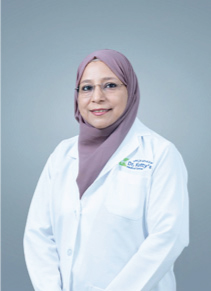
Ms. Shabnam Mohammed Suhail Ansari
Diploma in Food & Nutrition Nutritionist | Hijama Practitioner | Dietician “Hijama therapy should always be performed in a hygienic clinical environment with proper sterilization and patient assessment to ensure safety and effective wellness support.”
What to Expect After Treatment
After treatment, patients are usually advised to:
- Drink plenty of water
- Avoid heavy exercise temporarily
- Rest for several hours
- Follow aftercare instructions carefully
Temporary marks are common and usually fade naturally.
Frequently Asked Questions
Hijama is a wet cupping therapy that uses suction and superficial skin pricks under sterile conditions.
Yes. Hijama is generally safe when performed in a professional clinical setting with proper hygiene standards.
Most patients experience mild pressure and slight temporary discomfort during treatment.
Marks usually fade within several days to two weeks depending on skin type.
Patients are usually advised to wait several hours before showering.
The number of sessions depends on the patient’s condition and wellness goals.
Patients with certain medical conditions should consult a doctor before undergoing treatment.
Final Thoughts
Interest in Hijama treatment Doha clinics provide continues to grow because many patients are looking for supportive wellness therapies alongside modern healthcare.
When performed safely and professionally, Hijama therapy may help support:
- Relaxation
- Muscle recovery
- Stress management
- General wellness
The most important step is choosing a trusted Hijama treatment clinic near Doha that follows proper hygiene, sterilization, and patient safety standards.