- Email Us: info@drkuttys.com

Prickly Heat and Heat Rash: Common Summer Skin Problems in Qatar

Qatar’s hot and humid summer weather can be challenging for your skin. One common problem during the hotter months is prickly heat, also known as heat rash.
It can cause small red bumps, itching, irritation, or a prickling sensation, particularly in areas where sweat gets trapped.
Children and babies can be especially prone to heat rash because their sweat glands are still developing.
If you’re searching for prickly heat treatment in Qatar, this guide explains what causes heat rash, how to manage it at home, how to prevent it, and when you should see a dermatologist.
At Dr. Kutty’s Medical Centre, patients can receive professional assessment for persistent heat rash and other summer-related skin concerns.

What Is Prickly Heat?
Prickly heat is a common skin condition that occurs when sweat becomes trapped under the skin because sweat ducts become blocked.
It can develop when the body produces a lot of sweat, particularly in hot and humid conditions.
The rash may appear as:
- Small red bumps
- Tiny fluid-filled bumps
- Itchy skin
- Burning or prickling sensations
- Mild skin irritation
It commonly affects areas where sweat and moisture become trapped.
Why Is Heat Rash Common in Qatar?
Qatar’s summer climate can create ideal conditions for excessive sweating.
High temperatures and humidity can increase:
- Sweating
- Skin moisture
- Friction
- Sweat duct blockage
Wearing tight or non-breathable clothing can make the problem worse by trapping heat and moisture against the skin.
Where Does Heat Rash Usually Appear?
Heat rash can occur anywhere on the body, but it is more common in areas where sweating and friction are greater.
Common locations include:
- Neck
- Chest
- Back
- Underarms
- Groin
- Skin folds
- Areas covered by clothing
In babies, it may also appear around the neck, upper chest, back, or areas covered by clothing.
What Does Heat Rash Look and Feel Like?
The appearance can vary depending on the type and severity of the rash.
You may notice:
Small Red Bumps
Tiny red or pink bumps may develop on the skin.
Itching
The affected area may feel itchy or irritated.
Prickling Sensation
Some people describe the feeling as tiny pinpricks or burning.
Mild Swelling
The skin may appear slightly inflamed.
If the rash becomes painful, develops pus, spreads significantly, or is accompanied by fever, it may not be simple heat rash and should be assessed by a healthcare professional.
Who Is More Likely to Develop Heat Rash?
Anyone can develop prickly heat, but some people may be more vulnerable.
Babies and Young Children
Children can develop heat rash more easily, particularly in hot weather.
People Who Work Outdoors
Long periods in the heat can increase sweating.
Athletes
Exercise increases body temperature and sweating.
People Wearing Heavy Clothing
Clothing that traps heat and moisture can increase the risk.
People Who Sweat Heavily
Excessive sweating can contribute to blocked sweat ducts.
How to Treat Heat Rash at Home
Mild heat rash often improves when the skin is kept cool and dry.
Move to a Cooler Environment
Spend time in an air-conditioned or well-ventilated area.
Keep the Skin Cool
A cool, damp cloth can help soothe irritation.
Wear Loose Clothing
Choose lightweight and breathable fabrics.
Avoid Excessive Sweating
Reduce strenuous activities until the rash improves.
Keep the Skin Dry
Gently dry areas where sweat tends to collect.
Avoid Scratching
Scratching can irritate the skin further and increase the risk of infection.
What Should You Avoid When You Have Heat Rash?
Some products or habits can make irritation worse.
Avoid:
- Tight clothing
- Heavy creams that trap moisture
- Excessive scrubbing
- Very hot showers
- Scratching the affected area
- Staying in hot environments for prolonged periods
Use gentle skincare products and avoid applying new products to irritated skin without professional advice.
Heat Rash in Babies and Young Children
Babies are particularly susceptible to heat rash.
Parents should:
✔ Dress babies in lightweight clothing
✔ Keep the room comfortably cool
✔ Avoid excessive layers
✔ Keep skin folds clean and dry
✔ Check the neck, back, and diaper areas regularly
✔ Avoid overheating
If the baby develops a significant rash, fever, unusual sleepiness, poor feeding, or other concerning symptoms, seek medical advice promptly.
When Should You See a Dermatologist?
Most mild cases improve with cooling and reducing sweating.
However, medical assessment is recommended if:
- The rash does not improve
- The rash keeps returning
- The skin becomes painful
- There is significant swelling
- Pus or discharge develops
- You develop fever
- The rash spreads
- You are unsure whether it is heat rash
Several other skin conditions can look similar to heat rash, so persistent symptoms should not be self-diagnosed.
Can Heat Rash Become Infected?
Yes.
Repeated scratching can damage the skin barrier and allow bacteria to enter.
Watch for signs such as:
- Increasing pain
- Warmth
- Swelling
- Pus
- Yellow crusting
- Fever
These symptoms may indicate an infection and require medical assessment.
How Can You Prevent Heat Rash in Qatar?
Prevention is especially useful during Qatar’s hottest months.
Stay Cool
Spend time in air-conditioned environments when temperatures are extreme.
Wear Breathable Clothes
Choose loose, lightweight clothing that allows airflow.
Shower After Heavy Sweating
Gently clean the skin and dry it properly.
Change Sweaty Clothes
Do not remain in damp clothing for long periods.
Keep Skin Folds Dry
Pay attention to areas such as the neck, underarms, and groin.
Take Breaks During Outdoor Activities
Reduce prolonged exposure to extreme heat.
Heat Rash Treatment Cost in Qatar
The cost of treatment depends on the severity of the rash and whether additional treatment is required.
Estimated Pricing
Service | Estimated Price |
Dermatology Consultation | Starting from QAR 150 |
Heat Rash Assessment | Starting from QAR 150 |
Skin Examination | Based on Consultation |
Prescription Treatment | Based on Individual Assessment |
Please contact Dr. Kutty’s Medical Centre for current consultation and treatment pricing.
Why Choose Dr. Kutty's Medical Centre?
Persistent skin irritation can sometimes require professional evaluation.
At Dr. Kutty’s Medical Centre, patients can benefit from:
Professional Skin Assessment
The affected area and symptoms can be evaluated to identify the likely cause.
Personalized Treatment
Treatment recommendations depend on the patient’s age, symptoms, and severity.
Dermatology Support
Persistent or recurring skin conditions can be assessed by an appropriate healthcare professional.
Family-Friendly Care
Skin concerns affecting adults and children can be evaluated.
Patient-Focused Guidance
Patients receive clear advice about treatment and prevention.
Summer Skin Health Assessment
Heat Rash & Skin Consultation
Includes:
- Skin assessment
- Review of symptoms
- Medical history
- Treatment recommendations
- Prevention advice
- Follow-up guidance when required
Contact the clinic for current package availability and pricing.
Benefits Stack
Getting persistent heat rash assessed can help you:
✔ Identify the cause of the skin irritation
✔ Receive appropriate treatment
✔ Reduce itching and discomfort
✔ Prevent secondary skin infections
✔ Manage recurring rashes
✔ Protect sensitive skin
✔ Learn practical summer skincare habits
What Parents Should Remember
Heat rash is common in babies and children during hot weather, but not every rash is caused by heat.
Parents should seek medical advice if a child has:
- Fever
- Significant discomfort
- A rapidly spreading rash
- Blisters or pus
- Unusual sleepiness
- Poor feeding
- Difficulty breathing
- A rash that does not improve
When in doubt, professional assessment is safer than assuming the rash is simply prickly heat.
Doctor Endorsement
This content is reviewed and endorsed by:
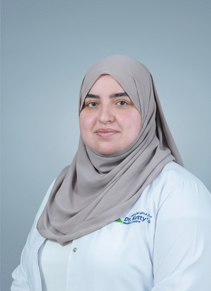
Dr. Israa Mohammed Elakhtyar
BDS, MRCS General Dentist | Laser Dentistry Dr. Kutty's Medical Centre “Prickly heat is common in hot and humid weather, but persistent or worsening skin irritation should not be ignored. Keeping the skin cool, dry, and well-ventilated can help prevent many heat-related skin problems.”
Frequently Asked Questions
Prickly heat, or heat rash, occurs when sweat becomes trapped under the skin because sweat ducts become blocked. It can cause small bumps, itching, irritation, or a prickling sensation.
Keep the affected skin cool and dry, wear loose breathable clothing, avoid excessive sweating, and use cool compresses to soothe irritation.
Mild heat rash often improves after the skin is cooled and further sweating is reduced. Persistent or worsening symptoms should be evaluated by a doctor.
Yes. Babies can be particularly prone to heat rash because their sweat glands are still developing. Keeping them cool and avoiding excessive clothing can help.
Yes. Scratching can damage the skin and allow bacteria to enter. Increasing pain, swelling, warmth, pus, or fever should be medically assessed.
See a dermatologist if the rash is persistent, recurrent, painful, spreading, infected-looking, or does not improve with basic cooling and skin-care measures.
Final Thoughts
Prickly heat is a common summer skin problem, particularly in hot and humid climates such as Qatar.
Keeping your body cool, wearing breathable clothing, reducing prolonged sweating, and maintaining good skin hygiene can help prevent and manage mild heat rash.
However, persistent, painful, spreading, or infected-looking rashes may require professional assessment.
At Dr. Kutty’s Medical Centre, patients can receive appropriate evaluation and personalized guidance for heat rash and other summer-related skin concerns.